
From my perspective, real technological progress isn’t about hype — it’s about usefulness and real impact on daily life.
Introduction
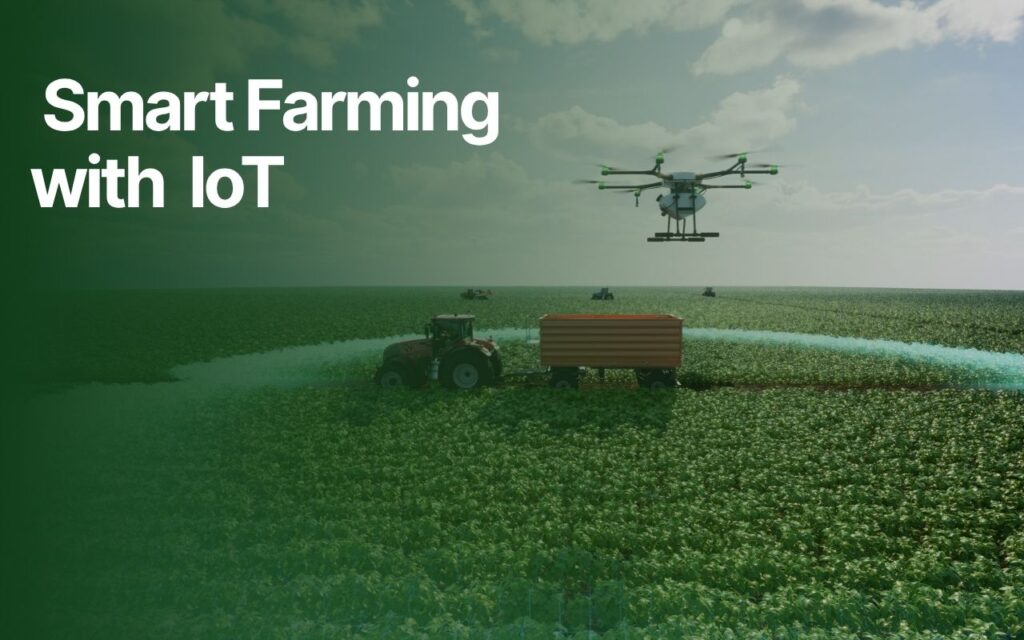
Technology isn’t just changing our cities — it’s also reshaping how we grow our food. The Internet of Things (IoT) is bringing major positive changes to agriculture, helping farmers check their crops, manage resources, and grow more food than ever before.
From soil sensors to smart irrigation systems, IoT is making farming faster, smarter, and better for the environment. In this article, we’ll explore how smart farms powered by IoT are helping to feed the future and change the way farming works in 2025 and beyond.
1. Understanding IoT in Agriculture
IoT in agriculture means using connected tools and sensors that gather and share live farm data. These devices help farmers make better decisions, cut down waste, and save time.
👉 Imagine a farm where soil sensors tell sprinklers when to water or drones fly above fields to check plant health before problems spread. That’s how smart farming works today.
IoT connects old farming methods with new technology — making agriculture smarter, cleaner, and more beneficial for everyone.
2. Smart Sensors: The Heart of Accurate Farming
Smart farming starts with sensors that collect useful information from the field.
These sensors measure:
- Soil moisture
- Temperature and humidity
- Soil nutrients
- Sunlight levels
With this information, farmers can water only where needed, add the right amount of fertilizer, and spot crop diseases early.
👉 This helps reduce waste, grow healthier crops, and protect nature by avoiding too many chemicals.
3. Drones and Smart Imaging: Eyes in the Sky
Drones are becoming an essential tool for farmers. Fitted with smart cameras and sensors, they give real-time aerial views of fields.
They help spot insect attacks, dry patches, or uneven crop growth within minutes.
Some drones even use AI tools to read images and instantly report plant health.
👉 The result? Faster decisions, better planning, and higher yields — all from above.
4. Smart Irrigation Systems: Saving Water, Growing More
Water is life in farming, and IoT helps save it. Smart irrigation systems change watering times automatically by checking live soil and weather details.
For example, if the soil already has enough moisture, the system skips watering — saving both water and power.
👉 Research shows that IoT-based irrigation can save up to 30–40% of water without lowering crop growth. That’s a big step for eco-friendly farming.
5. Livestock Monitoring: Keeping Animals Healthy
IoT isn’t just for crops — it’s changing livestock management too.
Farmers now use smart collars or sensors on animals to track:
- Heart rate and temperature
- How they move and eat
- Their exact location
If an animal gets sick or wanders away, the farmer gets an instant alert.
👉 This helps stop disease spread, improves animal care, and ensures healthier milk and meat for everyone.
6. Smart Greenhouses: Farming All Year Long
Greenhouses powered by IoT can control temperature, air, and light automatically.
Instead of manual work, these systems create perfect growing conditions for each plant.
Some advanced models even learn the best settings using machine learning.
👉 This makes year-round farming possible — even in tough climates — while cutting costs and increasing harvests.
7. Data and Cloud Platforms: Turning Information into Action
All these IoT devices collect a lot of data. Cloud systems store and study this information, helping farmers make smart choices.
Farmers can view live dashboards showing crop health, weather, and growth patterns.
👉 With this data, they can:
- Predict harvest times
- Prevent losses
- Use water, fertilizer, and labor more wisely
IoT doesn’t just automate farming — it helps farmers plan better and work smarter.
8. Challenges and the Road Ahead
While IoT has huge possibilities, there are still some challenges:
- High setup costs for small farms
- Weak internet in rural areas
- Privacy and data safety issues
But the good news is, technology is becoming cheaper and easier to use.
Governments and companies are helping farmers adopt IoT tools to improve food supply and protect natural resources.
👉 The future of farming will depend on how we use technology to make agriculture modern and inclusive for everyone.
Feeding the Future, One Smart Farm at a Time
IoT in agriculture is not only about smart devices — it’s about building a better connection between people, technology, and nature.
From precision sensors to automatic irrigation and animal tracking, smart farming is changing how we grow food.
By using these modern tools, farmers can produce more food with fewer resources — feeding a growing world while keeping our planet safe and healthy.
Like this article? Don’t miss my previous post for more helpful tech insights: [https://techhorizonpro.com/how-ai-doctors-are-revolutionizing-healthcare/ ]
Muhammad Zeeshan writes about modern technology with a focus on clarity, usefulness, and real-world impact.
For more beginner-friendly tech content, check out one of my recent articles.

Pingback: Best Affordable AI Apps to Simplify Your Daily Life in 2026 | Tech Horizon Pro