
I believe technology matters most when it solves real problems and improves the way we live, work, and communicate every day.
Getting Started
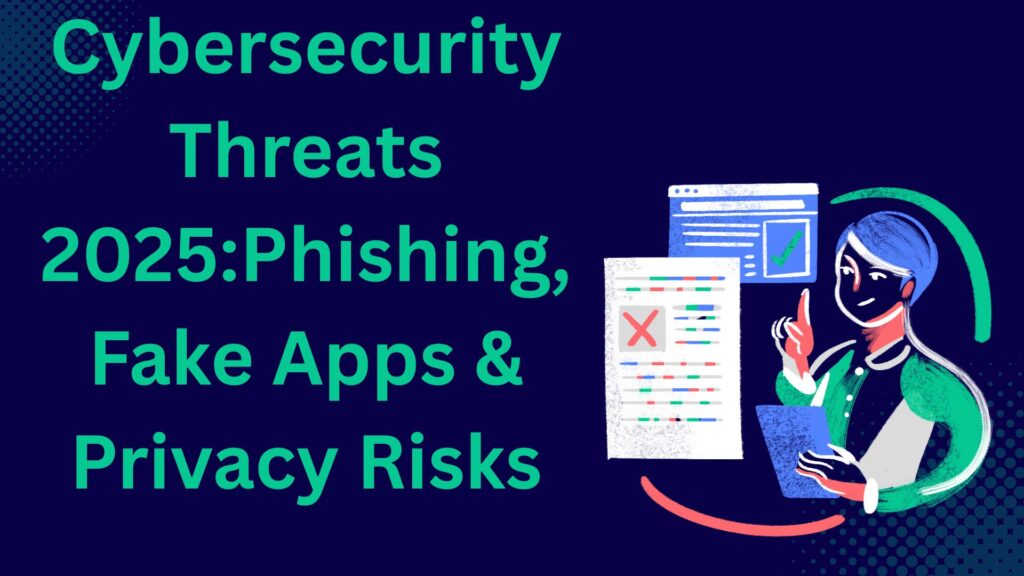
Technology in 2025 is getting better every day — and sadly, online attackers are getting smarter too. Our phones, apps, and online accounts are more advanced now, but cybercriminals are also finding new ways to steal data, hack accounts, and trick people into installing unsafe apps.
This simple guide will help you understand the biggest Cybersecurity Threats in 2025, including new phishing tricks, fake mobile apps, privacy risks, and easy steps to protect your devices.
Whether you use a smartphone, laptop, or smart home devices, these tips will help you stay safe.
Why Cybersecurity Threats Are Increasing in 2025
Cyber attacks today are more difficult to spot. These three changes make 2025 riskier:
1. Smarter scams
Attackers now create messages, emails, and websites that look real. Many people fall for them because they appear professional.
2. More connected devices
Phones, smart home gadgets, banking apps — everything holds personal information.
One small mistake can leak your data.
3. Fake apps & hidden malware
Cybercriminals upload apps that look genuine but secretly steal passwords or files.
This is why understanding the latest threats is important.
1. New Phishing Tactics in 2025
Phishing has changed a lot. Attackers no longer send poorly written messages — now their scams look clean, real, and believable.
Here are the new phishing methods you should know:
1.1 Deepfake Voice Phishing (Voice Scams)
Attackers use very real-sounding fake voices to call people while acting like:
- Bank support
- Delivery service
- A friend or family member
- Your workplace manager
Example:
You get a call saying:
“Your bank account is locked. Please confirm your OTP.”
The voice sounds real — but it’s fake.
1.2 Fake Delivery & Verification Messages
Because online shopping is common, scammers send SMS like:
- “Your parcel is on hold. Click to confirm your address.”
- “Verify your payment to continue shipment.”
These links take you to fake websites designed to steal your details.
1.3 QR Code Phishing
Scammers place fake QR codes in:
- Restaurants
- Public places
- WhatsApp groups
- Parking areas
You scan the code → it opens a harmful website.
Example:
A fake QR code pasted on top of a real menu QR sends you to a website that steals card information.
1.4 Fake Browser Pop-ups
You may see pop-ups like:
- “Your phone is infected!”
- “Your browser needs an urgent update.”
These are fake alerts that install malware if you click them.
How to Protect Yourself From Phishing (Quick Tips Table)
| Threat Type | Example | How to Stay Safe |
|---|---|---|
| Fake Calls | “Your bank account blocked” | Never share OTP or passwords |
| Fake SMS | Delivery/payment verification | Use official apps to check |
| QR Code Scams | Fake public QR codes | Scan only trusted sources |
| Fake Pop-ups | Virus/update warnings | Close the browser — don’t click |
2. Fake Apps & App Store Scams in 2025
Fake apps are becoming one of the biggest Cybersecurity Threats in 2025. They look real but secretly steal:
- Login info
- Bank details
- Photos
- Contacts
- OTP messages
Here are the most common types of fake apps in 2025:
2.1 Fake Banking & Payment Apps
These apps look almost the same as:
- PayPal
- Local bank apps
- Wallet & payment apps
They show a fake login page and steal your username and password.
2.2 Fake Antivirus & Cleaner Apps
Apps claiming things like:
- “Boost phone speed”
- “Remove viruses instantly”
- “Clean junk safely”
Most of these install hidden malware and show harmful ads.
2.3 Counterfeit AI & Utility Tools
Apps offering:
- Photo editing
- Voice effects
- Document scanning
Some of these send your files to unsafe servers.
Red Flags: How to Identify Fake Apps
| Sign | Meaning |
|---|---|
| Too many permissions | Wants camera/SMS even if not needed |
| Poor icons or screenshots | Copied from real apps |
| Bad grammar in description | Not from a trusted developer |
| No official website | App only exists on store |
| Too many ads | Usually linked with malware |
3. Privacy Risks Rising in 2025
Attackers now focus on silently collecting personal data instead of only hacking devices.
Here are the biggest privacy risks this year:
3.1 Data Tracking Through Unknown Apps
Some apps track:
- Location
- Photos
- Contacts
- Browser activity
Even when you’re not using them.
3.2 Public Wi-Fi Data Theft
Free Wi-Fi is convenient but unsafe. A hacker using the same Wi-Fi can see:
- Logins
- Messages
- Banking information
3.3 Browser Extensions Stealing Data
Some add-ons can read:
- Search history
- Website logins
- Form details
Then they sell this data.
3.4 Smart Home Devices Recording Data
Smart TVs, cameras, and speakers may save:
- Voice commands
- Video clips
- Usage patterns
If hacked, this becomes a major privacy problem.
4. How to Secure Everything in 2025 (Practical Guide)
Here are simple steps you can follow today:
4.1 Secure Your Phone
- Update your phone regularly
- Install apps only from trusted stores
- Turn off “Install Unknown Apps”
- Remove apps you don’t use
- Turn off permissions you don’t need
4.2 Secure Your Accounts
- Turn on 2-step verification (2FA)
- Use strong and different passwords
- Never share OTP
- Use a trusted password manager
4.3 Secure Your Home Wi-Fi
- Change router’s default password
- Turn off WPS
- Use WPA3 security
- Update router software
- Hide your Wi-Fi if possible
4.4 Secure Your Browser
- Use a privacy-focused browser
- Remove unknown extensions
- Block third-party cookies
- Turn on safe browsing mode
Security Checklist (Table)
| Category | What to Do |
|---|---|
| Phone Security | Update system, remove extra apps, limit permissions |
| Account Security | Use 2FA, strong passwords, don’t share OTP |
| Wi-Fi Security | WPA3, strong password, disable WPS |
| Browser Security | Remove strange add-ons, enable safe browsing |
Closing Notes
Cybersecurity Threats in 2025 are growing, but you can protect yourself with the right habits.
Just remember:
- Stay updated
- Stay careful
- Avoid unknown links or apps
- Use strong security settings
It’s never too late to protect your online life.
If this article was useful, feel free to check out my previous post here: [https://techhorizonpro.com/reduce-mobile-battery-drain-tips-2025/]
This article was written by Muhammad Zeeshan, who covers technology, AI, and digital trends in a clear and easy-to-understand way.
You may also enjoy my previous article, where I share practical tips on online security and useful digital tools.

Pingback: How to Clean and Speed Up Your PC or Laptop (2025 Easy Performance Guide) | Tech Horizon Pro