
In my opinion, technology is more than just innovation — it’s about how it connects, simplifies, and transforms our daily lives. I personally believe every new invention tells a story of progress and purpose, and that’s what I love exploring through my articles.
Getting Started
Technology in 2025 isn’t just about speed or power — it’s about how it connects with people.
Digital tools are no longer just about giving commands; they’re becoming smart helpers that understand our feelings, routines, and needs.
What began with Siri and Google Assistant as simple voice tools has now turned into intelligent companions that can talk, learn, and even make decisions.
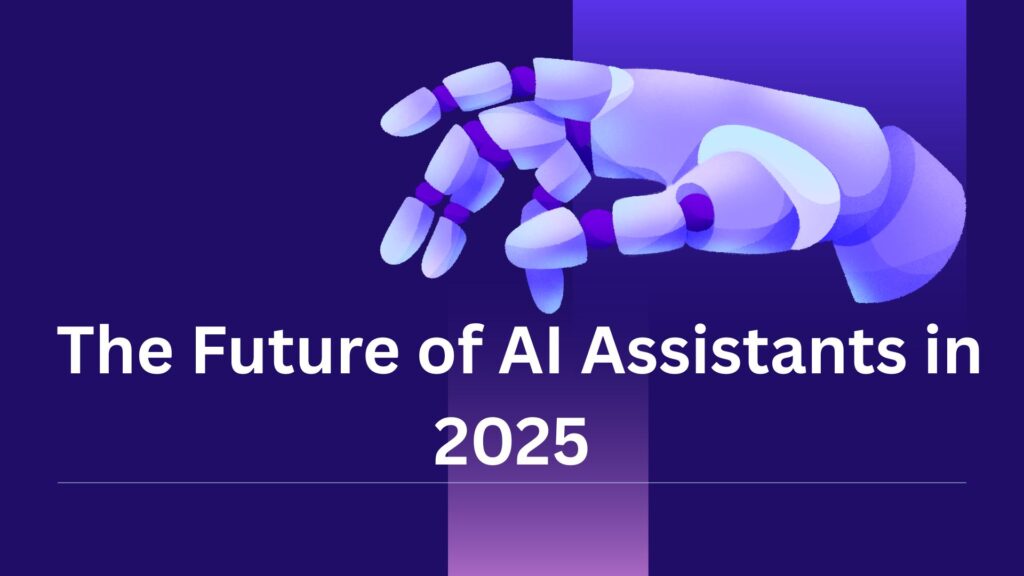
In this article, we’ll explore how personal assistants in 2025 are changing the way people and technology work together — moving from simple tasks to real emotional connection.
1. From Commands to Conversations
A few years ago, assistants like Siri or Alexa could only do basic things — set reminders, play a song, or answer a quick question.
But in 2025, things have changed completely.
Now, assistants understand context and can have real, meaningful conversations.
They remember what you like, notice your tone, and even pick up on your mood through your voice.
👉 For example, if you sound tired or stressed, your assistant might dim the lights, play soft music, and suggest you take a short break.
It’s no longer just a voice that reacts — it’s a companion that cares.
2. Beyond Tasks — Meet the AI Companions
Today’s assistants aren’t just tools — they act more like personal helpers or even friends.
Thanks to new AI systems, these assistants can now make small decisions on their own.
Imagine an assistant that not only keeps track of your meetings but also moves less important ones when you’re busy, or sets your calendar to match your energy levels during the day.
They go beyond managing tasks — they help you stay balanced, give you useful suggestions, and support your mental well-being just like a caring friend would.
3. Personalization That Feels Truly Yours
The biggest strength of modern assistants is how personal they’ve become.
They learn from your daily routine, your talking style, your sleep pattern, and even your favorite brands.
Instead of general replies, they give you advice made just for you.
Your assistant might build a morning routine with your favorite workout, a playlist that matches your mood, and breakfast ideas that fit your diet.
👉 This is all possible through safe, on-device AI — keeping your data private while still giving you a truly personal experience.
4. Privacy and Trust — The New Focus
As assistants get smarter, privacy has become more important than ever.
In 2025, most new assistants use secure systems that process your voice and habits directly on your device — not in the cloud.
Big companies like Apple, Samsung, and Google are focusing on “trust-based AI,” where users know exactly how their data is used.
This openness and control help people feel more comfortable sharing information, knowing it stays safe and private.
5. Connected Living — Smarter Homes and Work
Personal assistants are now the center of our smart lives.
They connect all your gadgets — your lights, car, coffee maker, and computer — to work together smoothly.
For example:
- When you wake up, your assistant can adjust the temperature, brew your coffee, and read your morning news.
- While driving, it connects to your car to plan routes and save fuel.
- At work, it handles your emails and meetings automatically.
👉 This close connection makes assistants feel like a natural part of daily life, not just another app on your phone.
6. Emotional Understanding — The Human Side of Tech
One of the biggest leaps in 2025 is emotional understanding.
Using voice tone and facial expressions, assistants can sense when you’re upset, tired, or happy.
If you sound frustrated, it might speak gently or suggest taking a short walk.
If you’re cheerful, it might respond with humor or encouragement.
This emotional awareness makes digital interaction feel more human.
Talking to an assistant now feels less like speaking to a machine — and more like chatting with someone who truly listens.
7. The Future — Independent AI Companions
Looking ahead, personal assistants are becoming truly independent helpers.
They won’t just wait for your commands — they’ll predict what you need, make plans, and handle small tasks automatically.
By 2030, experts expect these companions to:
- Manage your finances
- Plan your trips and home routines
- Translate in real time
- Offer emotional and practical support
👉 The teamwork between humans and technology is becoming smoother — helping people live easier, more connected lives.
A New Kind of Digital Friendship
The future of personal assistants isn’t about replacing humans — it’s about helping us live better.
From simple voice tools to smart and caring digital companions, these assistants are turning into reliable friends that understand, support, and grow with us.
2025 marks the start of a new era — where personal assistants are not just helpful gadgets, but true companions that make life simpler, smarter, and more human.
If this article was useful, feel free to check out my previous post here: [https://techhorizonpro.com/ai-powered-search-engines-online-discovery-2025/ ]
Written by Muhammad Zeeshan — a passionate tech enthusiast who loves exploring how innovation, AI, and digital tools are shaping the modern world.
I write with curiosity and clarity, aiming to make complex technology simple and useful for everyone.
If you enjoyed this post, check out my latest article for more insights on emerging tech trends and future innovations.

Pingback: ChatGPT and Digital Innovation in 2025 – How AI is Transforming Technology and Business