
In my view, technology is more than innovation — it’s about how it connects, simplifies, and transforms our everyday lives. I believe every invention carries a story of progress and purpose, and that’s exactly what I enjoy exploring through my writing.
Topic Overview
Most people have experienced this situation: you want to stay healthier, manage your time better, or keep track of important information during a busy day. But your phone may be hidden in your pocket, your laptop is somewhere else, and normal tools sometimes feel slow or hard to use.
Technology is everywhere today, but it still takes several steps to reach the information you need.
This gap between daily needs and easy-to-use technology is one reason wearable gadgets have become popular. Instead of reaching for a phone or computer, wearable technology puts helpful tools directly on your body — on your wrist, in glasses, or even inside clothing.
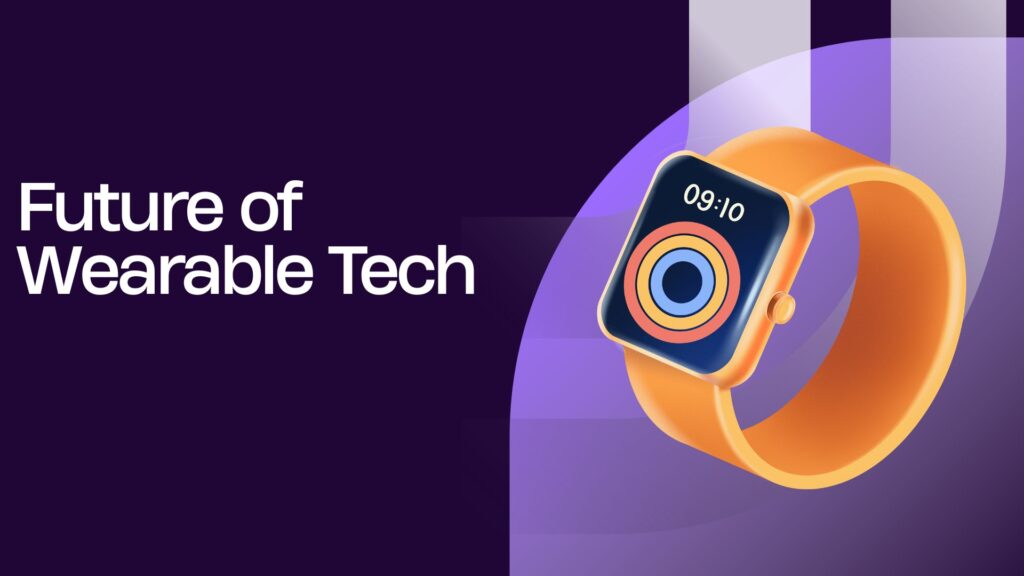
Understanding the future of wearable technology means looking beyond simple fitness trackers and smartwatches. New ideas are changing healthcare, work productivity, communication, and even personal safety. The next wave of wearable devices will likely become smaller, smarter, and more useful in everyday life.
Why Wearable Technology Exists in the First Place
Wearable gadgets solve a simple problem: people need information and help without stopping what they are doing.
Phones and laptops are powerful tools, but they require attention. You usually need to stop walking, stop working, or pause an activity to use them.
Wearables remove this small problem by giving quick access to information without breaking your routine.
For example:
- A smartwatch can show messages during a meeting without taking out your phone.
- A fitness tracker checks heart rate automatically during exercise.
- Smart glasses can display navigation directions while you walk.
The future of wearable technology focuses on making this interaction even smoother and smarter.
The Evolution of Wearable Technology
Wearables have changed quickly over the last ten years. Early devices were simple step counters, but modern products now include better sensors, smart data analysis, and easy connections with phones and apps.
| Generation | Typical Devices | Key Features |
|---|---|---|
| Early Wearables | Pedometers, basic fitness trackers | Step counting, calorie estimates |
| Modern Wearables | Smartwatches, fitness bands | Heart rate tracking, notifications |
| Emerging Wearables | Smart rings, smart glasses | Health monitoring, AR features |
The next stage in the future of wearable technology will likely bring deeper health insights, smarter automation, and stronger connections with everyday environments.
Major Trends Shaping the Future of Wearable Technology
Several technology changes are pushing new ideas in wearable devices. These changes are slowly turning wearables from simple accessories into useful everyday tools.
Health Monitoring Beyond Basic Fitness
Health tracking is one of the most important areas in wearable technology. Early fitness trackers mainly counted steps, but today’s devices can measure much more.
Common health features today include:
- Heart rate monitoring
- Sleep tracking
- Blood oxygen levels
- Stress monitoring
Future devices may offer deeper health insights and may even notice early warning signs of health issues or provide personal health suggestions.
For example, some smartwatches already alert users if they detect unusual heart rhythms. These alerts are not medical diagnoses, but they may encourage people to seek medical advice earlier.
Artificial Intelligence in Wearables
Artificial intelligence is becoming an important part of wearable devices. Instead of only collecting information, AI helps understand the data.
This allows wearable devices to offer smart suggestions based on the situation.
Examples include:
- Suggesting rest after noticing unusual fatigue patterns
- Recommending breathing exercises during high stress
- Automatically adjusting fitness goals based on past activity
The future of wearable technology will likely include AI systems that learn from personal habits and offer more personalized insights over time.
Smaller and More Comfortable Devices
Early wearable gadgets sometimes felt bulky or uncomfortable. Large watches or thick fitness trackers were not ideal for long daily use.
New designs focus on simpler styles and comfort.
Smart rings, for example, can track sleep and health while staying small and hard to notice.
Examples of newer wearable designs include:
- Smart rings that track sleep and activity
- Lightweight smart glasses for directions and notifications
- Smart clothing with built-in sensors
As technology continues to shrink, wearable gadgets may become almost invisible in daily life.
Practical Ways Wearable Technology Is Already Being Used
Understanding the future of wearable technology becomes easier when we look at how people use these devices today.
Workplace Productivity
Wearables can help workers stay organized and focused.
Examples include:
- Smartwatches showing meeting reminders
- Voice replies to quick messages
- Calendar alerts without checking phones repeatedly
In industries like healthcare, logistics, or manufacturing, wearable devices can also deliver real-time instructions or alerts.
Fitness and Personal Wellness
Fitness tracking remains one of the most common uses for wearable gadgets.
A typical user may rely on a smartwatch to:
- Track daily activity
- Monitor sleep quality
- Set reminders to move after sitting too long
These small reminders can slowly build healthier habits.
Safety and Emergency Monitoring
Wearables are also becoming helpful safety tools.
Some devices can:
- Detect falls and send emergency alerts
- Share location with trusted contacts
- Warn users when unusual health readings appear
These features are especially helpful for elderly people or individuals who live alone.
Comparing Popular Types of Wearable Devices
Different wearable devices serve different purposes. Understanding their advantages can help people choose the right one.
| Device Type | Main Purpose | Ideal Users |
|---|---|---|
| Smartwatch | Notifications, fitness tracking, apps | General users |
| Fitness Tracker | Activity and workout tracking | Fitness-focused users |
| Smart Ring | Sleep and health tracking | Minimalist users |
| Smart Glasses | Digital information display | Tech enthusiasts, professionals |
Each type plays a role in shaping the future of wearable technology, depending on what users need most.
Challenges the Industry Still Needs to Solve
Even though wearable technology has improved a lot, some problems still remain.
Battery Life
Small devices often mean small batteries. Many wearable gadgets still need daily charging.
Researchers are working on solutions such as:
- Processors that use less power
- Better battery materials
- New energy-saving technologies
Data Privacy Concerns
Wearables collect a lot of personal information, especially health data. Protecting this information is very important.
Companies need to provide:
- Secure data storage
- Clear privacy policies
- Strong security protection
Trust will play a major role in the long-term growth of wearable devices.
Accuracy and Reliability
Wearable gadgets provide helpful insights, but they are not always perfectly accurate. Sensors may sometimes read data incorrectly because of movement or outside conditions.
Improving sensor technology and data analysis will be important for the future of wearable technology.
What Comes Next for Wearable Technology
The future of wearable technology will likely bring stronger connections between devices and everyday life.
Wearables may connect smoothly with smart homes, vehicles, and healthcare systems.
Possible examples include:
- A wearable device adjusting home lighting based on sleep patterns
- Health data being shared safely with doctors for remote monitoring
- Smart glasses offering real-time language translation during conversations
These ideas are becoming more realistic as technology continues to improve.
Still, progress will depend on balancing new ideas with reliability, privacy, and real usefulness.
Choosing Wearable Technology That Actually Helps
With so many devices available, it is important to choose wearables based on real needs rather than trends.
Before buying a wearable device, it helps to ask a few questions:
- What problem do I want this device to solve?
- Will I actually use its features every day?
- Is the device comfortable enough for long use?
- How reliable is the data it provides?
A device that easily fits into daily life will always be more valuable than one with many features that rarely get used.
Technology works best when it quietly supports daily life instead of constantly demanding attention. That idea is central to the future of wearable technology. As devices become smaller, smarter, and more connected to our routines, they may slowly move from interesting gadgets to useful tools that improve how we live, work, and stay healthy.
For now, the best approach is simple: explore wearable technology thoughtfully, focus on practical benefits, and choose devices that truly make everyday life easier.
Like this article? Don’t miss my previous post for more helpful tech insights: [https://techhorizonpro.com/rise-of-ai-twins-content-creation/]
Written by Muhammad Zeeshan — a passionate tech enthusiast exploring how innovation, AI, and digital tools are transforming the modern world. He writes with curiosity and clarity, making complex technology simple and practical for everyone.


Pingback: Big Data Explained: What It Is and Why Businesses Rely on It | Tech Horizon Pro